
 Facebook
 X
 Pinterest
 Copy Link
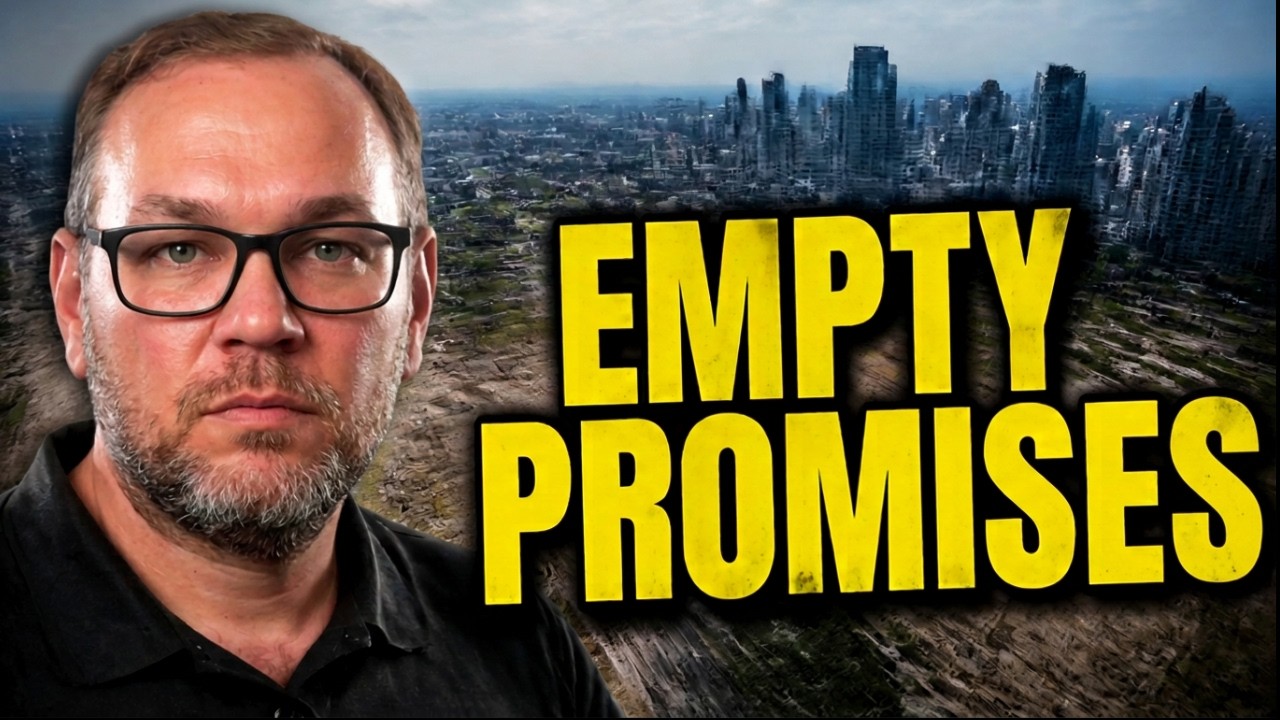
The short answer: The Google downtown San Jose campus, Downtown West, is on hold, and the roughly 80 acres it cleared near Diridon Station sat fenced and empty when I filmed in August 2026. The 2021 city approvals are still attached to that land. The project actually moving dirt is BART Phase II, and that is what I would price downtown off, not the campus.
Google bought about 80 acres around Diridon Station, spent a reported $532 million or so assembling it, and knocked most of it down. Then nothing. Chain link, gravel, weeds. If you own anywhere near downtown, the question of what happens to the Google downtown San Jose land now is a pricing question, not a news story. Go drive it. As of August 2026 it still looked like that.
I grew up in Almaden, went to Leland High School, and I’m third-generation South Bay. My family was here before Silicon Valley was Silicon Valley. I went to San Jose State and lived downtown, so I’ve watched downtown get promised a transformation about four separate times. Here are six things actually happening downtown, and how each one reaches homes in Willow Glen, Rose Garden, and the streets around Diridon.
I walked through all six on camera, block by block. Here is the written version.
What happened to Google’s downtown San Jose campus?
The project was called Downtown West. The San Jose City Council approved it unanimously on May 25, 2021. Per the city of San Jose project page, the approvals allow up to 7.3 million square feet of office, 4,000 homes (the environmental review allows up to 5,900), up to 500,000 square feet of retail, cultural, and arts space, hotel use of up to 300 rooms, and 15 acres of parks. All of it sits on about 80 acres wrapped around Diridon Station. That isn’t a development. That is a second downtown.
The full buildout was pledged at somewhere around $19 billion. The city expected the finished project to throw off something like $79 million a year in property taxes. Then in 2023 Google pulled back the timeline and cut ties with its development partner. By the time I filmed in August 2026, the plan was widely reported as stalled, and Google had not shared a public construction timeline.
Here is what I want owners to sit with. Downtown didn’t just fail to gain a campus. It lost what was already standing. Hardware stores, repair shops, and small restaurants moved out to make room for a project that hasn’t been built. I’m not saying that as a gotcha. A lot of people in this city wanted this to work.
| Downtown West item | What was approved or pledged | What was there as of August 2026 |
|---|---|---|
| Office space | Up to 7.3 million sq ft | Cleared land behind fencing |
| Homes | 4,000 (EIR allows up to 5,900) | None built |
| Retail, cultural, arts | Up to 500,000 sq ft | None built |
| Parks and open space | 15 acres | Not delivered |
| Expected property tax | About $79 million a year (projected) | Not coming on the timeline the city expected |
Is anything actually being built downtown?
Yes. BART Phase II. It runs about six miles from Berryessa through downtown to Santa Clara, with four stations: 28th Street/Little Portugal, Downtown San Jose, Diridon, and Santa Clara. About five of those six miles are a tunnel under Santa Clara Street. You can track it on VTA’s BART Silicon Valley Phase II page.
In the video I said the cost was around $12.2 billion and VTA expected passenger service in 2036. When the project was rated by the federal government a few years ago, the opening year on the books was 2033. Before that, people were saying 2026. It has moved more than once. But it is physically happening. As of August 2026, the tunnel launch structure was mostly excavated, early work had started at the 28th Street/Little Portugal station site, and the Diridon area had been torn up for soils testing.
Update, November 2026: VTA’s July 2026 executive progress report (published August 31, 2026) lists a baseline budget of about $12.7 billion, a target revenue service date in the second quarter of 2037, and an FTA-assessed date of the first quarter of 2039 with schedule contingency. It also reports excavation in most launch structure areas at roughly 95% to 100% complete as of August 21, 2026.
So here is the hole in the ground from the start of the video. Google left a hole where a campus was supposed to go. VTA is digging a hole where a train is actually going to go. One of those has funding, contractors, and dirt moving. It isn’t the one everybody talks about.
| BART Phase II | What I said on camera (Aug 2026) | VTA July 2026 report |
|---|---|---|
| Length and stations | About 6 miles, 4 stations | About 6 miles, 3 underground stations plus Santa Clara at grade |
| Cost | About $12.2 billion | About $12.7 billion baseline, re-baseline underway |
| Passenger service | 2036 | Target Q2 2037, FTA-assessed Q1 2039 |
| Federal funding agreement | Targeted for 2027 | FFGA execution targeted Q4 2027 |
| Federal share | Not covered | Up to $5.1 billion after FFGA |
Why the Google downtown San Jose approvals still matter
This is the one almost nobody understands. When Google stopped, the entitlements didn’t disappear. In California the hard part is almost never construction. It’s permission: the general plan amendment, the rezoning, the development agreement, the environmental review, the airport land use overrule, the historic preservation permits. Downtown West went through all of it.
That approval package took years and a lot of money, and it is attached to the land. Whoever ends up with those parcels isn’t buying 80 acres of dirt. They’re buying 80 acres of dirt with a five-year head start. Empty land with dead entitlements is a problem. Empty land with live entitlements next to a station under construction is one of the most valuable things in this county.
The approvals do have time limits. Extensions and sequencing get negotiated at City Hall more than they get announced. The shape of it is simple, though. The permission is worth a fortune and it is sitting there.
What does losing $79 million a year mean for San Jose?
Think about what a city does with that kind of money: police, fire, parks, libraries, street maintenance. It’s the stuff that makes a downtown a place people stay instead of a place people commute out of.
San Jose has a structural problem people outside the county don’t see. It’s a city of about a million people with a thin commercial tax base for its size. It has always been housing heavy and jobs light compared to its neighbors, which is why so much of the workforce drives north every morning. Downtown West was supposed to fix that, with jobs, homes, and tax base in the same 80 acres. A revenue stream the city penciled in for the 2030s isn’t arriving on that schedule, and everything downstream of it moves.
What happens to the community benefits?
This one got the least coverage. The approval came with a community benefits package, including roughly $150 million for a Community Stabilization and Opportunity Pathways Fund, support for affordable housing around Diridon, and 15 acres of public parks with free programming. The city set up a commission in 2022 to guide that fund.
Those commitments were structured to arrive as the project got built. Some money was fronted, which is good. But a benefits package tied to construction milestones behaves very differently when construction stops. Parks, retail, programming, and affordable units are what turn a district into a place that carries a price premium. When those get deferred, so does that premium.
Is BART Phase II fully funded?
Not yet. This is the sixth thing, and it decides all the others. The federal money comes through the Capital Investment Grants program. What locks it in is a Full Funding Grant Agreement. VTA’s 2026 plan targets readiness documents in the third quarter of 2026 and the agreement itself in the fourth quarter of 2027.
This project has history. It left one federal funding path and reentered another in 2022. In the federal profiles, the cost went from about $9.3 billion to about $12.7 billion between 2023 and 2024. VTA has spent the last couple of years on cost-saving work to bring it back inside a budget, and a Santa Clara County civil grand jury reviewed VTA’s management of it.
I’m not telling you it won’t happen. I think it probably does. But if you’re buying downtown today expecting the strength of a BART station, the honest version is that you’re buying a 2037 target that depends on a 2027 signature. That is a different investment than the one most people think they are making.
What I’d do if I owned or were buying near downtown
If you own downtown or nearby
Maybe you’re in Willow Glen, Rose Garden, Santa Clara, or right by Diridon. Stop pricing off the Google campus. It isn’t happening on any timeline anyone has shared, and it isn’t the comp. Price off two things that are real: what is approved on your block, and what is under construction within walking distance.
If you’re buying downtown
Buy it for what it is today, at today’s price. If BART lands on schedule, that’s upside. If you pay a premium now for a station that opens a decade from now, you’re funding someone else’s exit. Before you write an offer, read what is entitled around the property. That tells you more than any rendering.
If you’re selling
Don’t lead your pricing with the campus story. Buyers who’ve been following the news will discount it on day one. Lead with the home, the block, and what is actually being built nearby. Pull comps from the last few months, not from 2021 headlines.
FAQ
What happened to Google’s Downtown West campus in San Jose?
The city approved it unanimously in May 2021. Google slowed the timeline and split with its development partner in 2023, and the project has been reported as stalled since. As of August 2026, most of the roughly 80 acres near Diridon Station sat cleared and fenced with no public construction timeline.
Do the Downtown West approvals go away now that Google paused?
No. The zoning, development agreement, and environmental review approved in 2021 stay attached to the land. They do have time limits, and extensions are negotiated with the city. Whoever builds there next starts with years of permission work already done.
When will BART open in downtown San Jose?
In the video I used 2036 for passenger service. VTA’s July 2026 progress report lists a target of the second quarter of 2037, with an FTA-assessed date of early 2039 once schedule contingency is included. Treat any date as a target until the federal funding agreement is signed.
How much does BART Phase II cost?
VTA’s July 2026 report shows a baseline budget of about $12.7 billion, with a federal share of up to $5.1 billion after a Full Funding Grant Agreement. VTA is working on a re-baselined cost estimate, so the number can still move.
Should I pay more for a home near the future Diridon BART station?
I’d pay for what the home is today, at today’s comps. If the station opens on time, that is upside. If you pay a premium now for a station that is a decade out, you are carrying the risk that the date slips again.
Does the Google pause hurt Willow Glen or Rose Garden home values?
These neighborhoods have their own housing stock, streets, and buyer demand, so they were never priced only off a Google campus. The risk is for sellers or buyers who built a future campus into their number. Price off recent sales and what is approved or under construction near your block.
What is a Full Funding Grant Agreement?
It is the federal contract that locks in Capital Investment Grant money for a transit project. For BART Phase II, VTA’s 2026 plan targets readiness documents in the third quarter of 2026 and the agreement itself in the fourth quarter of 2027. Until it is signed, the federal share is not guaranteed.
Buying near downtown? Read the entitlements first.
If you want the buyer side of this, how to read what is actually entitled around a property before you write an offer, grab my Silicon Valley buyer guide and I’ll send it right over. Moving out of the area? I have vetted agents I talk to personally across the country, and I can connect you.
Keep reading
- South San Jose Home Values: 6 Changes Most Owners Haven’t Noticed: SB 79, light rail, and the Eastridge BART link.
- Silicon Valley Home Values: 5 Forces Repricing the Market: inventory, insurance, and AI pay.
- 5 Costly Mistakes Homebuyers Make: what to check before you write an offer.
- San Jose neighborhood guides: Willow Glen, Almaden, Los Gatos, Cupertino, and Gilroy.
Project figures come from the City of San Jose, VTA, and what I covered in the video as of August 2026, with updates as noted. Timelines and costs for public projects change. Verify current details with the city and VTA before making a decision. This is general information, not legal or tax advice.
Michael Rulfs, REALTOR® | Coldwell Banker Realty | DRE #01832571. Third-generation South Bay. Born here, raised here, still here. 408-504-0385 · michael.rulfs@CBRealty.com
